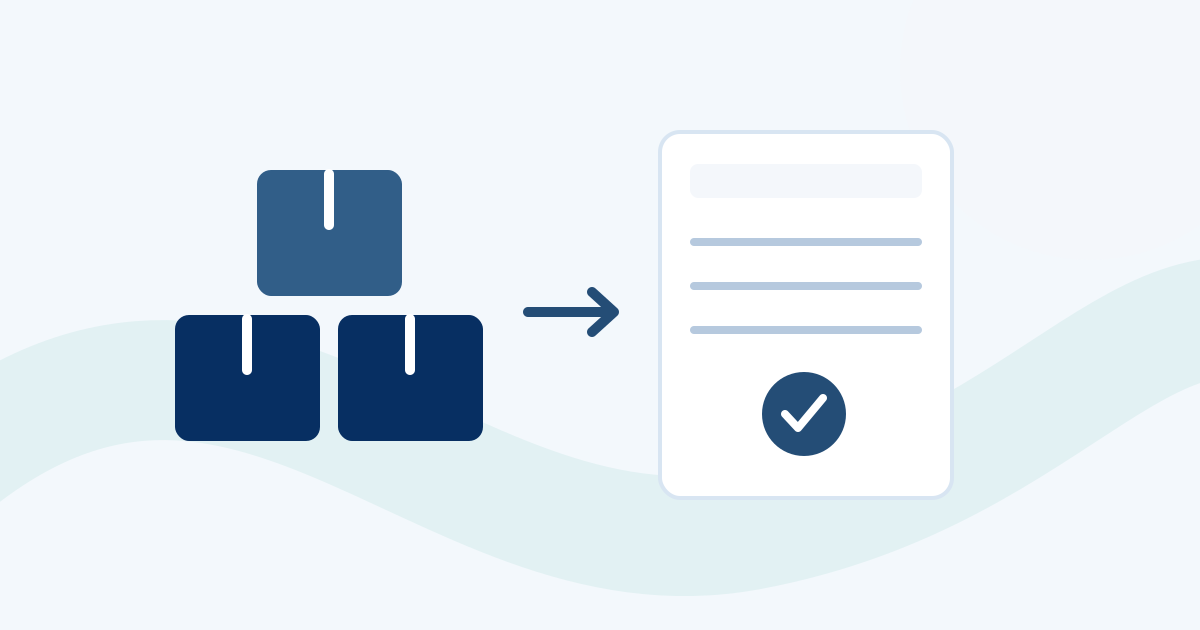
Supplier price is not always the full cost of bringing an item to its present location and condition. Freight, duties and handling may qualify under policy, and allocation affects unit cost, margin and closing inventory.
Allocate a charge by its cause
A shipment costs SAR 100,000 with SAR 10,000 freight. Allocating by value gives an item representing 60% of shipment value SAR 6,000. If freight is driven by weight, weight may be more faithful; the choice should be consistent and explained.
The invoice price is not the whole cost
IAS 2 includes purchase, conversion and other costs incurred in bringing inventory to its present location and condition, with specified exclusions. Allocation may use value, weight, volume or another rational driver reflecting how the cost was incurred.
An allocation sheet someone else can recalculate
Retain the charge total, allocation driver, each item's share and the quantity used as divisor. An allocated item cost of SAR 24,000 across 600 units gives SAR 40 per unit. Verify that 600 is the appropriate accepted quantity and that rejected or returned units are treated according to their circumstances.
An equal charge per invoice line gives a one-unit line the same share as a thousand-unit line. That may fit a service genuinely charged per line, but not freight by default. Document the reason for the chosen basis so the next reviewer can understand it without renegotiating the methodology each month.
When freight is invoiced late
Two products arrive in one shipment with SAR 6,000 freight. The first occupies three times the space of the second, while the second has a higher purchase value. If freight is volume-driven and the data reflect the benefit received, allocating SAR 4,500 to the first and SAR 1,500 to the second may be more appropriate than allocating by invoice value. Value-based insurance may require a different basis.
Do not search for one rule covering every charge. Separate freight, insurance, duties and related services, then determine which belong in inventory cost. Recoverable taxes differ from non-recoverable costs. Penalties caused by avoidable failures or abnormal waste need separate analysis rather than automatic addition to unit cost.
Check that allocations total the amount being distributed and that unrelated products receive none. Also verify units: kilograms versus tonnes and cartons versus pieces. An incorrect conversion can distort one item's cost while the overall entry still balances.
If the invoice arrives after some units have sold, consider how the adjustment affects remaining inventory and cost of sales. Loading the entire increase onto the remaining units may overstate their cost. A reliable batch trace or adjustment process should explain the period impact rather than leave an unexplained margin movement.
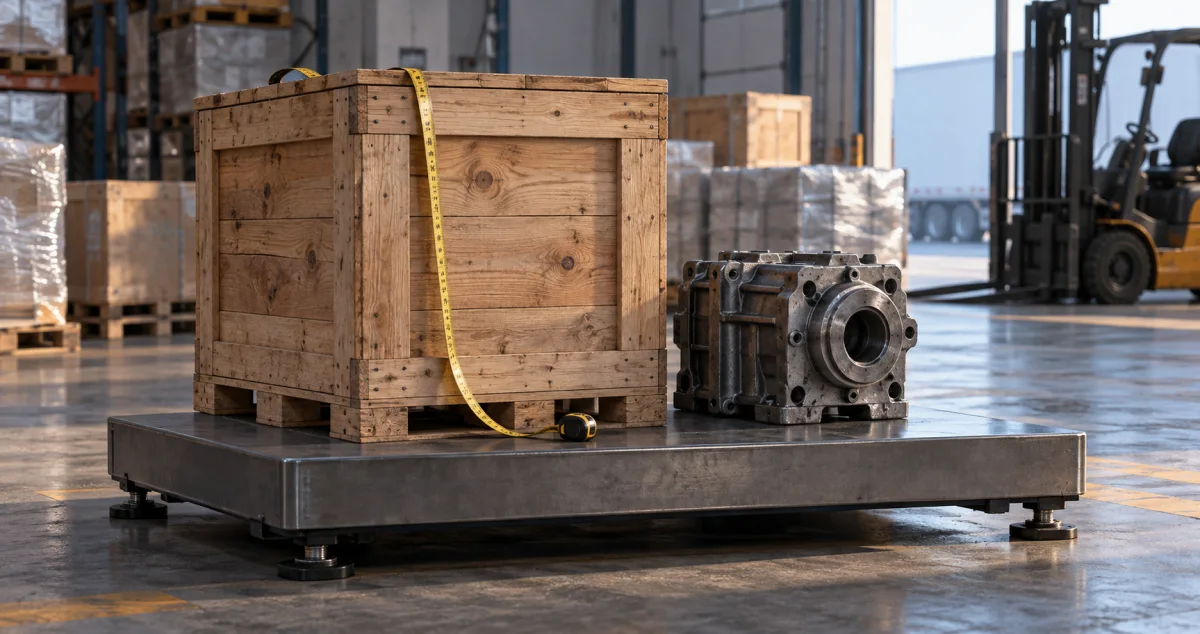
One shipment, two different items
- Collect shipment invoices and identify qualifying costs under policy.
- Link items, quantities and values to one arrival reference.
- Choose a driver for each cost type and document why.
- Reconcile totals and test rounding, unit cost and returns.
Sources & further reading
Visit the original source to explore the concept and its wider context.
General educational content. Appropriate treatment depends on your business and accounting policies; consult your accounting professional when applying it to business records.