Perpetual inventory is sometimes mistaken for eliminating physical counts, and periodic inventory for having no quantity records. The distinction concerns timing of records and cost updates; reconciliation, cut-off and movement control still matter.
When does the system know cost of sales?
A perpetual system normally records purchases, sales and cost movements transaction by transaction, while a periodic approach determines inventory and cost of sales at period end using the count and relevant calculation. Actual treatment follows policy and system design.
Period-end under a periodic system
A perpetual record shows 500 units while the count finds 492. The eight-unit difference should not be erased directly; sales, receipts, transfers, cut-off, unit and location are reviewed before approved treatment. Under periodic inventory the count also affects period cost.
A perpetual record still needs counting
In a simplified periodic example, opening inventory is SAR 80,000, net purchases SAR 220,000 and counted, valued closing inventory SAR 70,000. Cost of sales is 80,000 + 220,000 − 70,000 = SAR 230,000. An error in ending inventory therefore flows directly into cost of sales and profit.
A perpetual system records movements and costs during the period according to its configuration and valuation method. Timely information helps sales and purchasing, but depends on accurate dates, units, transfers and returns. A live number based on incomplete inputs is not more reliable simply because it updates instantly.
Moving to perpetual records starts with a trustworthy opening position. Set a cut-off, count quantities, verify unit costs and enter subsequent movements in a clear sequence. Importing an unreliable old balance while also retaining earlier movements can duplicate effects. Test a sale, return, warehouse transfer and cost adjustment before operational use.
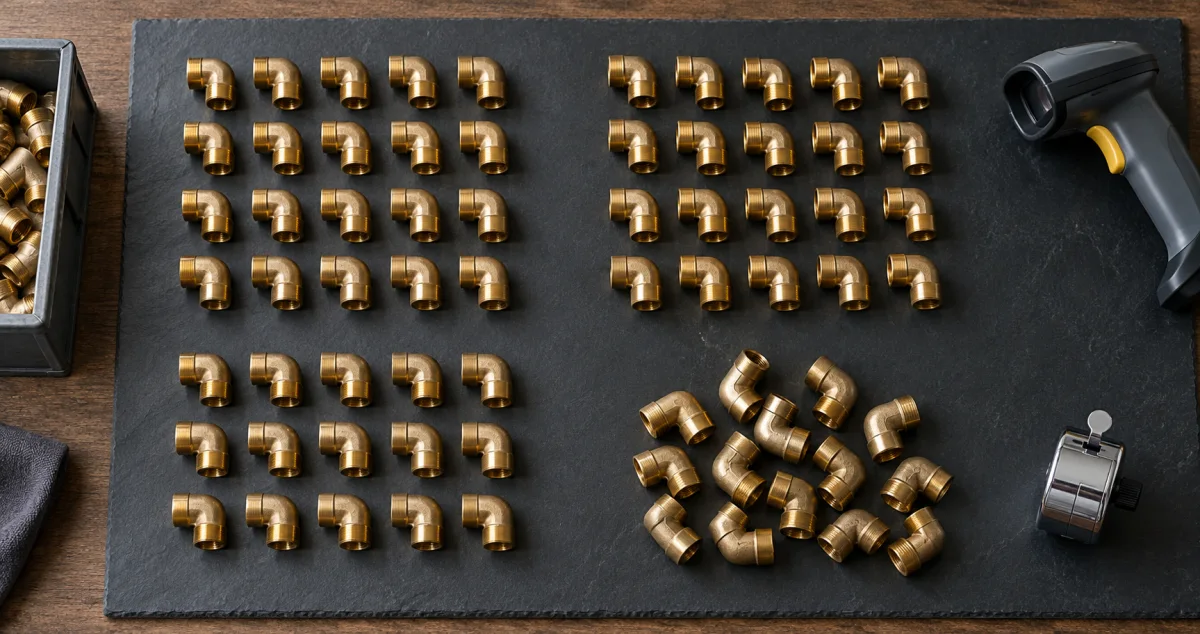
Physical counts remain necessary under either approach. The system records documents; it cannot independently observe breakage, loss or misplaced goods. Risk-based cycle counting during the year can support appropriate period-end procedures. The choice changes how records are updated, not the need to establish what actually exists.
- Define method, policy and source for each movement.
- Control units, locations and cut-off timing.
- Perform an independent count and record movements during it.
- Investigate differences, approve adjustments and trace entries.
The decisive operational question
Must the salesperson promise immediate availability? Can the business reliably record receipts, issues and transfers on time? If the first answer is yes and the second no, buying a live-balance display is insufficient. Movement entry and responsibility at each location need attention too.
Start with a manageable warehouse or product group and define when documents must be recorded. Compare records with counts and open transfers. Success means explained differences that stop recurring, not differences erased by a large adjustment. Preserve effective procedures when expanding, rather than relying on informal training that is hard to transfer to new staff.
Sources & further reading
Visit the original source to explore the concept and its wider context.
General educational content. Appropriate treatment depends on your business and accounting policies; consult your accounting professional when applying it to business records.